100 bc
Huan Yi (died 227 BC) — also called Fan Wuji (樊於期) — was a Qin general who lived in the Warring States period of China. He betrayed his state and escaped to the Yan state, where he later committed suicide to aid Jing Ke in his assassination attempt on Ying Zheng, the King of Qin.
Lydiadas of Megalopolis (Ancient Greek: Λυδιάδας ὁ Μεγαλοπολίτης) was an ancient Greek tyrant of his city Megalopolis in Arcadia. He came to power around the year 245 BC, but after ten years he decided to step down, leading his city to join the Achaean League. As a reward the Achaeans elected him to the post of strategos, that is (commanding general) of the League, for three terms in 234/33, 232/31 and 230/2
Qin Wuyang (秦舞陽) was a young man who followed Jing Ke when the latter went on the mission to assassinate Ying Zheng, the king of Qin. Both Jing and Qin were first disguised as envoys from Yan and were there to present the severed head
King Ai of Chu (Chinese: 楚哀王; pinyin: Chǔ Āi Wáng, died 228 BC)
Posidippus of Pella (Ancient Greek: Ποσείδιππος Poseidippos; c. 310 – c. 240 BC)
Demetrius II Aetolicus (Greek: Δημήτριος ὁ Αἰτωλικός) son of Antigonus II Gonatas and Phila, reigned as King of Macedonia from the winter of 239 to 229 BC
Ptolemy (Greek: Πτολεμαῖος); ruled 237 BC-234 ВС)
Adherbal (Punic: 𐤀𐤃𐤓𐤁𐤏𐤋, ʿdrbʾl;[1] died 230 bc),
King Daoxiang of Zhao (Traditional Chinese: 趙悼襄王) (died 236 BCE,King Huanhui of Han (Chinese: 韩桓惠王;[1][2] pinyin: Hán Huánhuì Wáng) (died 239 BC)
https://en.wikipedia.org/wiki/Agron_(king) sungai
Han Fei (/hɑːn/;[2] traditional Chinese: 韓非; simplified Chinese: 韩非; pinyin: Hán Fēi; c. 280 – 233 BC),
Aristippus of Argos (/ˌærəˈstɪpəs/; Greek: Ἀρίστιππος) was a tyrant of Argos in the 3rd century BC
Lü Buwei (291–235 BC)
Autaritus (died 238 BCE)
Lord Chunshen (Chinese: 春申君; pinyin: Chūnshēn Jūn; Wade–Giles: Ch'un-shen Chün; died 238 BC)
Lao Ai (Chinese: 嫪毐; pinyin: Lào Ǎi; died 238 BCE)
Publius Claudius Pulcher (died 249 BC/246 BC)
Hannibal (Punic: 𐤇𐤍𐤁𐤏𐤋, ḥnbʿl;[1] died 238 BCE)
Eudamidus II (Greek: Εὐδαμίδας) was the 24th King of Sparta of the Eurypontid dynasty. He was the son of King Archidamus IV, nephew of Agesistrata and grandson of Eudamidas I and Archidamia. He ruled from 275 BC to 244 BC.
Lucius Junius (C. f. C. n.) Pullus (died 249 or 248 BC)
Duke Wen of Eastern Zhou (Chinese: 東周文公; pinyin: Dōng Zhōu Wén Gōng) (?-249 BC
Callimachus (/kæˈlɪməkəs/; Greek: Καλλίμαχος, Kallimakhos; c. 310/305–c. 240 BC[1]) surat
Agesistrata (died 241 BC)
Archidamia (Greek: Ἀρχιδαμία) (c. 340-241 BC)
Tiberius Coruncanius (died 241 BC)
Lord Xinling (Chinese: 信陵君, d. 243 BC)
Persaeus (Greek: Περσαῖος; 307/6–243 BC[1])
Berenice (Ancient Greek: Βερενίκη, romanized: Berenikē) (c.275 BC[1]–246 BC),
Alexander (Ancient Greek: Ἀλέξανδρος) (died 247 BC)
King Zhuangxiang of Qin (281–247 BC)
Ariobarzanes (in Greek Ἀριoβαρζάνης; reigned 266 BC – c. 250 BC)
Aristodemus (Greek: Ἀριστόδημος) was a tyrant of the Greek city of Megalopolis. He was a Phigalian by birth and a son of Artylas, who had been adopted by Tritaeus, an influential citizen of Megalopolis.
Timaeus (Ancient Greek: Τιμαῖος; c. 345 BC – c. 250 BC) was an ancient Greek historian.
Gongsun Long (simplified Chinese: 公孙龙; traditional Chinese: 公孫龍; pinyin: Gōngsūn Lóng; Wade–Giles: Kung1-sun1 Lung2, c. 325–250 BC[1][2])
Hieronymus of Cardia (Greek: Ἱερώνυμος ὁ Καρδιανός, 354?–250 BC) was a Greek general and historian from Cardia in Thrace, and a contemporary of Alexander the Great (356–323 BC).
Paseas (Πασέας) was a tyrant of the ancient Greek city-state of Sicyon in the 3rd century BC. He succeeded his son, Abantidas, in 252 BC. However, he was assassinated by Nicocles in 251 BC.
Lord Pingyuan (Chinese: 平原君; ca. 308–251 BC),
\
King Xiaowen of Qin (303–251 BC)
King Zhaoxiang of Qin (Chinese: 秦昭襄王; 325–251 BC)
Abantidas (in Greek Ἀβαντίδας), the son of Paseas, became tyrant of the ancient Greek city-state of Sicyon after murdering Cleinias, the father of Aratus, 264 BC.
Lucius Postumius Megellus (c. 300 BC – 253 BC)
Areus II (Greek: Ἀρεύς Β΄) was King of Sparta, of the Agiad dynasty, from 262 to 254 BC.
King Nan of Zhou (?–256 BC),
Hannibal Gisco (Punic: 𐤇𐤍𐤁𐤏𐤋, ḥnbʿl;[1] c. 295–258 BC)
Timarchus or Timarch (Greek: Τίμαρχος) was a tyrant of the ancient Greek city of Miletus in the 3rd century BC. He was put in power after the Ptolemaic conquest of Miletus in 279 BC.
Menedemus of Eretria (Greek: Μενέδημος ὁ Ἐρετριεύς; 345/4 – 261/0 BC[1])
Philemon (Greek: Φιλήμων; c. 362 BC – c. 262 BC)
Philochorus of Athens (/fɪˈlɒkərəs/; Ancient Greek: Φιλόχορος ὁ Ἀθηναῖος; c. 340 BC – c. 261 BC),[1
Antiochus Gelotopoios (Greek: Ἀντίoχoς γελωτοποιός; c.352 - 260 BC)
Orontes III (Armenian: Երուանդ Գ, Yervand III) was King of Armenia. In his reign he struggled for control of the Kingdom of Sophene with king Antiochus II Theos until being defeated in 272 BC and was forced to pay a large tribute which included 300 talents of silver and 1,000 horses and mules.
Timocharis of Alexandria (Greek: Τιμόχαρις or Τιμοχάρης, gen. Τιμοχάρους; c. 320–260 BC)
\
Zhao Kuo (趙括; died 260 BC)
Acrotatus II (Greek: Ἀκρότατος; died 262 BC)
King Qingxiang of Chu (Chinese: 楚頃襄王; pinyin: Chǔ Qǐngxiāng Wáng, died 263 BC) was from 298 to 263 BC
Alexinus (/ælɪkˈsaɪnəs/; Greek: Ἀλεξῖνος; c. 339–265 BC[1])
Quintus Fabius Maximus Gurges was Roman consul in 265 BC,
Queen Dowager Xuan (Chinese: 宣太后; 338–265 BC),
King Xiang of Qi (Chinese: 齊襄王; pinyin: Qí Xiāng Wáng; died 265 BC[1]) was from 283 to 265 BC king of Qi,
King Huiwen of Zhao (Traditional Chinese: 趙惠文王) (born 310 BCE - died 266 BCE, reigned 298 BCE – 266 BCE)
Mithridates I Ctistes (in Greek Mιθριδάτης Kτίστης; reigned 281–266 BCE),
Alexis (Greek: Ἄλεξις; c. 375 – c. 275 BC)
Marcus Valerius Corvus Calenus (c. 370 – c. 270 BC)
Nefrina ("May our comings be good"[1]) was a woman who lived in the town of Akhmim, Egypt, in c. 250 BC.[2]
Lucius Volumnius Flamma Violens was a consul of the Roman Republic, a novus homo ("new man") who was the first consul to come from his plebeian gens. Volumnius served as consul twice, in 307 BC and 296 BC,
Menecrates of Ephesus (/məˈnɛkrətiːz/; Greek: Μενεκράτης ὁ Ἐφέσιος; 330–270 BC
Aristotimus was a tyrant of the ancient Greek city of Elis. He was installed by the Macedonian king Antigonus II Gonatas in 272 BC
Ptolemy (295–272 BC)
King Xi of Han (Chinese: 韩釐王 or 韩僖王[1][2]); pinyin: Hán Xī Wáng (died 273 BC),
Archidamus IV (Greek: Ἀρχίδαμος Δ΄) was a king of Sparta from 305 BC to c. 275 BC.
Demochares (Greek: Δημοχάρης; c. 355 – 275 BC)
Sosthenes (Greek Σωσθένης; died 277 BC)
Zipoetes I, also Zipoites I or Ziboetes I, possibly Tiboetes I (Greek: Zιπoίτης or Zιβoίτης (three syllables, oe is a diphthong); lived c. 354 BC – 278 BC, ruled c. 326 BC – 278 BC) was the second independent ruler of Bithynia.
Brennus (or Brennos) (died 279 BC at Delphi, Ancient Greece)
Ptolemy Ceraunus (Πτολεμαίος Κεραυνός Ptolemaios Keraunos, ca. 319 BC – January/February 279 BC)
Lord Mengchang (simplified Chinese: 孟尝君; traditional Chinese: 孟嘗君; pinyin: Mèngcháng Jūn; died 279 BC)
Achaeus (Ancient Greek: Ἀχαιός, Akhaios; died 213 BC)
https://en.wikipedia.org/wiki/Zhuang_Zhou

The tomb of Lucius Cornelius Scipio Barbatus, erected around 150 BC, contains an Old Latin inscription in Saturnian metre.
https://en.wikipedia.org/wiki/Agis_IV JESUS
https://en.wikipedia.org/wiki/Qu_Yuan
Shen Dao (Chinese: 慎到; c. 350 – c. 275 BC) 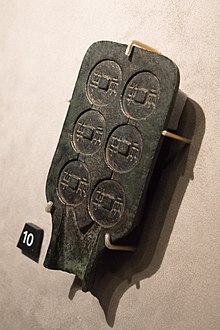
Posidippus of Cassandreia (Greek: Ποσείδιππος ὁ Κασσανδρεύς, Poseidippos ho Kassandreus; 316 – c. 250 BC) hijau hantu
Neoptolemus II (died 297 BC) was king of Epirus from 302 BC
Lydiadas of Megalopolis (Ancient Greek: Λυδιάδας ὁ Μεγαλοπολίτης) was an ancient Greek tyrant of his city Megalopolis in Arcadia. He came to power around the year 245 BC, but after ten years he decided to step down, leading his city to join the Achaean League. As a reward the Achaeans elected him to the post of strategos, that is (commanding general) of the League, for three terms in 234/33, 232/31 and 230/2
Qin Wuyang (秦舞陽) was a young man who followed Jing Ke when the latter went on the mission to assassinate Ying Zheng, the king of Qin. Both Jing and Qin were first disguised as envoys from Yan and were there to present the severed head
King Ai of Chu (Chinese: 楚哀王; pinyin: Chǔ Āi Wáng, died 228 BC)
Posidippus of Pella (Ancient Greek: Ποσείδιππος Poseidippos; c. 310 – c. 240 BC)
Demetrius II Aetolicus (Greek: Δημήτριος ὁ Αἰτωλικός) son of Antigonus II Gonatas and Phila, reigned as King of Macedonia from the winter of 239 to 229 BC
Ptolemy (Greek: Πτολεμαῖος); ruled 237 BC-234 ВС)
Adherbal (Punic: 𐤀𐤃𐤓𐤁𐤏𐤋, ʿdrbʾl;[1] died 230 bc),
King Daoxiang of Zhao (Traditional Chinese: 趙悼襄王) (died 236 BCE,King Huanhui of Han (Chinese: 韩桓惠王;[1][2] pinyin: Hán Huánhuì Wáng) (died 239 BC)
https://en.wikipedia.org/wiki/Agron_(king) sungai
Han Fei (/hɑːn/;[2] traditional Chinese: 韓非; simplified Chinese: 韩非; pinyin: Hán Fēi; c. 280 – 233 BC),
Aristippus of Argos (/ˌærəˈstɪpəs/; Greek: Ἀρίστιππος) was a tyrant of Argos in the 3rd century BC
Lü Buwei (291–235 BC)
Autaritus (died 238 BCE)
Lord Chunshen (Chinese: 春申君; pinyin: Chūnshēn Jūn; Wade–Giles: Ch'un-shen Chün; died 238 BC)
Lao Ai (Chinese: 嫪毐; pinyin: Lào Ǎi; died 238 BCE)
Publius Claudius Pulcher (died 249 BC/246 BC)
Hannibal (Punic: 𐤇𐤍𐤁𐤏𐤋, ḥnbʿl;[1] died 238 BCE)
Eudamidus II (Greek: Εὐδαμίδας) was the 24th King of Sparta of the Eurypontid dynasty. He was the son of King Archidamus IV, nephew of Agesistrata and grandson of Eudamidas I and Archidamia. He ruled from 275 BC to 244 BC.
Lucius Junius (C. f. C. n.) Pullus (died 249 or 248 BC)
Duke Wen of Eastern Zhou (Chinese: 東周文公; pinyin: Dōng Zhōu Wén Gōng) (?-249 BC
Callimachus (/kæˈlɪməkəs/; Greek: Καλλίμαχος, Kallimakhos; c. 310/305–c. 240 BC[1]) surat
Agesistrata (died 241 BC)
Archidamia (Greek: Ἀρχιδαμία) (c. 340-241 BC)
Tiberius Coruncanius (died 241 BC)
Lord Xinling (Chinese: 信陵君, d. 243 BC)
Persaeus (Greek: Περσαῖος; 307/6–243 BC[1])
Berenice (Ancient Greek: Βερενίκη, romanized: Berenikē) (c.275 BC[1]–246 BC),
Alexander (Ancient Greek: Ἀλέξανδρος) (died 247 BC)
King Zhuangxiang of Qin (281–247 BC)
Ariobarzanes (in Greek Ἀριoβαρζάνης; reigned 266 BC – c. 250 BC)
Aristodemus (Greek: Ἀριστόδημος) was a tyrant of the Greek city of Megalopolis. He was a Phigalian by birth and a son of Artylas, who had been adopted by Tritaeus, an influential citizen of Megalopolis.
Timaeus (Ancient Greek: Τιμαῖος; c. 345 BC – c. 250 BC) was an ancient Greek historian.
Gongsun Long (simplified Chinese: 公孙龙; traditional Chinese: 公孫龍; pinyin: Gōngsūn Lóng; Wade–Giles: Kung1-sun1 Lung2, c. 325–250 BC[1][2])
Hieronymus of Cardia (Greek: Ἱερώνυμος ὁ Καρδιανός, 354?–250 BC) was a Greek general and historian from Cardia in Thrace, and a contemporary of Alexander the Great (356–323 BC).
Paseas (Πασέας) was a tyrant of the ancient Greek city-state of Sicyon in the 3rd century BC. He succeeded his son, Abantidas, in 252 BC. However, he was assassinated by Nicocles in 251 BC.
Lord Pingyuan (Chinese: 平原君; ca. 308–251 BC),
\
King Xiaowen of Qin (303–251 BC)
King Zhaoxiang of Qin (Chinese: 秦昭襄王; 325–251 BC)
Abantidas (in Greek Ἀβαντίδας), the son of Paseas, became tyrant of the ancient Greek city-state of Sicyon after murdering Cleinias, the father of Aratus, 264 BC.
Lucius Postumius Megellus (c. 300 BC – 253 BC)
Areus II (Greek: Ἀρεύς Β΄) was King of Sparta, of the Agiad dynasty, from 262 to 254 BC.
King Nan of Zhou (?–256 BC),
Hannibal Gisco (Punic: 𐤇𐤍𐤁𐤏𐤋, ḥnbʿl;[1] c. 295–258 BC)
Timarchus or Timarch (Greek: Τίμαρχος) was a tyrant of the ancient Greek city of Miletus in the 3rd century BC. He was put in power after the Ptolemaic conquest of Miletus in 279 BC.
Menedemus of Eretria (Greek: Μενέδημος ὁ Ἐρετριεύς; 345/4 – 261/0 BC[1])
Philemon (Greek: Φιλήμων; c. 362 BC – c. 262 BC)
Philochorus of Athens (/fɪˈlɒkərəs/; Ancient Greek: Φιλόχορος ὁ Ἀθηναῖος; c. 340 BC – c. 261 BC),[1
Antiochus Gelotopoios (Greek: Ἀντίoχoς γελωτοποιός; c.352 - 260 BC)
Orontes III (Armenian: Երուանդ Գ, Yervand III) was King of Armenia. In his reign he struggled for control of the Kingdom of Sophene with king Antiochus II Theos until being defeated in 272 BC and was forced to pay a large tribute which included 300 talents of silver and 1,000 horses and mules.
Timocharis of Alexandria (Greek: Τιμόχαρις or Τιμοχάρης, gen. Τιμοχάρους; c. 320–260 BC)
\
Zhao Kuo (趙括; died 260 BC)
Acrotatus II (Greek: Ἀκρότατος; died 262 BC)
King Qingxiang of Chu (Chinese: 楚頃襄王; pinyin: Chǔ Qǐngxiāng Wáng, died 263 BC) was from 298 to 263 BC
Alexinus (/ælɪkˈsaɪnəs/; Greek: Ἀλεξῖνος; c. 339–265 BC[1])
Quintus Fabius Maximus Gurges was Roman consul in 265 BC,
Queen Dowager Xuan (Chinese: 宣太后; 338–265 BC),
King Xiang of Qi (Chinese: 齊襄王; pinyin: Qí Xiāng Wáng; died 265 BC[1]) was from 283 to 265 BC king of Qi,
King Huiwen of Zhao (Traditional Chinese: 趙惠文王) (born 310 BCE - died 266 BCE, reigned 298 BCE – 266 BCE)
Mithridates I Ctistes (in Greek Mιθριδάτης Kτίστης; reigned 281–266 BCE),
Alexis (Greek: Ἄλεξις; c. 375 – c. 275 BC)
Apollodorus was a tyrant of the ancient Greek city of Cassandreia (formerly Potidaea) in the peninsula of Pallene. He at first pretended to be a friend of the people, but when he had gained their confidence, he formed a conspiracy for the purpose of making himself tyrant, and bound his accomplices by most barbarous ceremonies described in Diodorus.[1]
When Apollodorus had gained his object, about 279 BC
| Bindusara | |
|---|---|
| Amitraghata | |
.jpg)
A silver coin of 1 karshapana of the Maurya empire, period of Bindusara Maurya about 297-272 BC, workshop of Pataliputra. Obv: Symbols with a Sun Rev: Symbol Dimensions: 14 x 11 mm Weight: 3.4 g.
| |
| 2nd Mauryan emperor | |
| Reign | c. 297 – c. 273 BCE |
| Coronation | c. 297 BCE |
| Predecessor | Chandragupta Maurya |
| Successor | Ashoka (son) |
| Died | c. 273 BCE |
| Spouse | Susima's mother Ashoka's mother (Subhadrangi according to Ashokavadana) |
| Issue | |
| Dynasty | Maurya |
| Father | Chandragupta Maurya |
| Mother | Durdhara (according to Jain tradition) |
Nefrina ("May our comings be good"[1]) was a woman who lived in the town of Akhmim, Egypt, in c. 250 BC.[2]
Lucius Volumnius Flamma Violens was a consul of the Roman Republic, a novus homo ("new man") who was the first consul to come from his plebeian gens. Volumnius served as consul twice, in 307 BC and 296 BC,
Menecrates of Ephesus (/məˈnɛkrətiːz/; Greek: Μενεκράτης ὁ Ἐφέσιος; 330–270 BC
Aristotimus was a tyrant of the ancient Greek city of Elis. He was installed by the Macedonian king Antigonus II Gonatas in 272 BC
Ptolemy (295–272 BC)
King Xi of Han (Chinese: 韩釐王 or 韩僖王[1][2]); pinyin: Hán Xī Wáng (died 273 BC),
Archidamus IV (Greek: Ἀρχίδαμος Δ΄) was a king of Sparta from 305 BC to c. 275 BC.
Demochares (Greek: Δημοχάρης; c. 355 – 275 BC)
Sosthenes (Greek Σωσθένης; died 277 BC)
Zipoetes I, also Zipoites I or Ziboetes I, possibly Tiboetes I (Greek: Zιπoίτης or Zιβoίτης (three syllables, oe is a diphthong); lived c. 354 BC – 278 BC, ruled c. 326 BC – 278 BC) was the second independent ruler of Bithynia.
Brennus (or Brennos) (died 279 BC at Delphi, Ancient Greece)
Ptolemy Ceraunus (Πτολεμαίος Κεραυνός Ptolemaios Keraunos, ca. 319 BC – January/February 279 BC)
Lord Mengchang (simplified Chinese: 孟尝君; traditional Chinese: 孟嘗君; pinyin: Mèngcháng Jūn; died 279 BC)
Achaeus (Ancient Greek: Ἀχαιός, Akhaios; died 213 BC)
Archidameia (Ancient Greek: Ἀρχιδάμεια) was the name of several women of classical antiquity:
- Archidameia, a priestess of the Greek goddess Demeter, who, because of love of Aristomenes, set him at liberty when he had been taken prisoner.[1]
- Archidameia, grandmother of the Spartan king Agis IV, was put to death, together with her grandson, in 241 BCE.[2]
Li Yiji (268–204 BC)[1
Fusu (died 210 BC)
Gao Jianli (Chinese: 高漸離) was a citizen of Yan, a Chinese state during the Warring States period, and a player of the lute (a stringed musical instrument played with a thin stick). After Jing Ke was killed in his assassination attempt on Qin Shi Huang, Gao changed his name and became an assistant in a wine shop as Qin Shi Huang retaliated against all friends of Jing Ke. As the work was strenuous, Gao would often pace around the house of the owner of the wine shop listening to the guests playing the lute in the owner's house. He would comment about the playing until one day when someone told the owner what Gao said about his guests' skills in playing the lute.
Archidamus V (Ancient Greek: Ἀρχίδαμος Ε΄) was the 27th of the Kings of Sparta of the Eurypontid line, reigning during 228 and 227 BC.
Chen Sheng (died 208 BC), also known as Chen She, was the leader of the Dazexiang Uprising, the first rebellion against the Qin Dynasty. It occurred during the reign of the Second Qin Emperor.
Lord Changping (昌平君; died 223 BC) was a general and lord of Qin, but later seceded from Qin and died as the last king of Chu (224–223 BC) in the last days of the Warring States period of ancient China.[1]
Polyaenus of Lampsacus (/ˌpɒliːˈiːnəs/ POL-ee-EE-nəs; Greek: Πoλύαινoς Λαμψακηνός, Polyainos Lampsakēnos; c. 340 – c. 285 BCE),
Ziaelas (Greek: Ζιαήλας; lived c. 265 BC – 228 BC, reigned c. 254 BC – 228 BC), third king of Bithynia, was a son of Nicomedes I and Ditizele.
Lucius Caecilius Metellus Denter was consul in 284 BC, and praetor the year after. In this capacity he fell in the war against the Senones, and was succeeded by Manius Curius Dentatus.[1][2][3][4]
King Min of Qi (Chinese: 齊湣王; pinyin: Qí Mǐn Wáng; Wade–Giles: Ch'i Min Wang) (323–284 BC, ruled 300–284 BC) was
Spartokos III (Greek: Σπάρτοκος) or Spartocus was king of the Bosporan Kingdom from 304 to 284 BC, after the untimely death of his father Eumelos in 304 BC after a reign of 5 years.
https://en.wikipedia.org/wiki/Herophilos EDO TENSEI
Titus Manlius T.f. Torquatus (died 299 BC)
| Cassander | |
|---|---|

Stater of Cassander. The reverse depicts a lion and an inscription in Ancient Greek reading "ΒΑΣΙΛΕΩΣ ΚΑΣΣΑΝΔΡΟΥ", [of] King Cassander.
| |
| King of Macedonia | |
| Reign | 305 – 297 BC |
| Predecessor | Alexander IV |
| Successor | Philip IV |
| Born | 355 BC [1] |
| Died | 297 BC (aged 58) |
| Consort | Thessalonike of Macedon |
| Issue | |
| House | Antipatrid dynasty |
| Father | Antipater |
Gellius Egnatius (died 295 BC)
Publius Decius Mus (died 295 BC), of the plebeian gens Decia, was a Roman consul in the years 312 BC, 308 BC, 297 BC and 295 BC. He was a member of a family that was renowned for sacrificing themselves on the battlefield for Rome.
Alexander V of Macedon (Greek: Ἀλέξανδρος Εʹ ὁ Μακεδών; died 294 BC) was the third and youngest son of Cassander and Thessalonica of Macedon, who was a half-sister of Alexander the Great.[1] He ruled as King of Macedon along with his brother Antipater from 297 to 294 BC.
King Xiang of Han (Chinese: 韩襄王;[1][2] pinyin: Hán Xīang Wáng); also known as King Xiang'ai of Han (韩襄哀王) and King Daoxiang of Han (韩悼襄王) (died 296 BC), ancestral name Jì (姬), clan name Hán (韩), personal name Cāng (仓), was the ruler of the State of Han between 311 BC and until his death in 296 BC. He was the son of King Xuanhui of Han.
| Chandragupta Maurya | |
|---|---|

Medieval stone relief at Digambara Jain pilgrimage site Shravanabelagola, Karnataka. It has been interpreted as Bhadrabahu and Chandragupta Maurya,[1] but others disagree.[2]
| |
| 1st Mauryan Emperor | |
| Reign | c. 324 or 321 – c. 297 BCE[3][4] |
| Coronation | c. 324 or 321 BCE |
| Predecessor | Dhana Nanda |
| Successor | Bindusara (son)[5] |
| Spouse | Durdhara |
| Issue | Bindusara |
| Religion | |
| Didarganj Yakshi PELACUR | |
|---|---|

Didarganj Yakshi (Chauri Bearer), Bihar Museum.
| |
| Material | Polished sandstone |
| Size | Height: Width: |
| Period/culture | 3rd century BCE or 1st/2nd century CE |
| Discovered | 25°34'18"N 85°15'45"E |
| Place | Didarganj, Patna, Bihar, India. |
| Present location | Bihar Museum, India |
Theophrastus
| |
|---|---|

Statue of Theophrastus, Palermo Botanical Garden
| |
| Born | c. 371 BC |
| Died | c. 287 BC (aged 83 or 84) |
| Era | Ancient philosophy |
| Region | Western philosophy |
| School | Peripatetic school |
Main interests
| Ethics, grammar, history, logic, metaphysics, natural history, physics, botany |
Notable ideas
| Prosleptic and hypothetical syllogisms[1] Modus ponens and modus tollens[2] |

| Seleucus III Ceraunus | |
|---|---|

Coin of Seleucus III. Greek inscription reads [Β]ΑΣΙΛΕΩΣ [Σ]ΕΛΕΥΚΟΥ (King Seleucus).
| |
| Basileus of the Seleucid Empire | |
| Reign | December 225 – April/June 223 BC |
| Predecessor | Seleucus II Callinicus |
| Successors | Antiochus III the Great |
| Born | Alexander c. 243 BC |
| Died | April/June 223 BC (aged 20) |
| Dynasty | Seleucid |
| Father | Seleucus II Callinicus |
| Mother | Laodice II |
| Huhai (胡亥) | |||||||||
|---|---|---|---|---|---|---|---|---|---|
 | |||||||||
| Emperor of China | |||||||||
| Reign | October 210 – October 207 BCE | ||||||||
| Predecessor | Qin Shi Huang | ||||||||
| Successor | Ziying (as king of Qin) | ||||||||
| Born | 229 BCE | ||||||||
| Died | 207 BCE (aged 21–22) | ||||||||
| |||||||||
| House | Qin dynasty | ||||||||
| Father | Qin Shi Huang | ||||||||
| Shang Yang | |
|---|---|

Statue of pivotal reformer Shang Yang
| |
| Chinese | 商鞅 |
Hanno, Messana garrison commander
Hanno (Punic: 𐤇𐤍𐤀, ḥnʾ)[1] was a Carthaginian general, prominent in the events leading to the start of the First Punic War (264 to 241 BC).

https://en.wikipedia.org/wiki/Qu_Yuan
| Pyrrhus | |
|---|---|

Bust of Pyrrhus at the National Archaeological Museum of Naples
| |
| King of Epirus | |
| Reign | 297–272 BC |
| Predecessor | Neoptolemus II |
| Successor | Alexander II |
| Reign | 306–302 BC |
| Predecessor | Alcetas II |
| Successor | Neoptolemus II |
| King of Macedonia | |
| Reign | 274–272 BC |
| Predecessor | Antigonus II |
| Successor | Antigonus II |
| Reign | 288–285 BC |
| Predecessor | Demetrius I |
| Successor | Antigonus II |
| Tyrant of Syracuse | |
| Reign | 278–276 BC |
| Predecessor | Thinion & Sosistratus |
| Successor | Hiero II |
| Born | c. 319 BC Epirus, Greece |
| Died | 272 BC (aged about 46) Argos, Peloponnese, Greece |
| Consort | |
| Issue |
|
| Dynasty | Aeacidae |
| Father | Aeacides |
| Mother | Phthia |
| Religion | Greek Paganism |
| Devanampiya Tissa | |
|---|---|
| King of Anuradhapura | |

Mihintale Stone Statue of King Tissa
| |
| Reign | 307 BC – 267 BC |
| Predecessor | Mutasiva |
| Successor | Uttiya |
| Died | 267 BC |
| Consort | Anula |
| House | House of Vijaya |
| Father | Mutasiva |
| Religion | Theravāda Buddhism |
| Antiochus I Soter | |
|---|---|
 | |
| Basileus of the Seleucid Empire | |
| Reign | September 281 – 2 June 261 BC |
| Predecessor | Seleucus I Nicator |
| Successor | Antiochus II Theos |
| Born | c. 324/323 BC Persia or Mesopotamia |
| Died | 2 June 261 BC (aged 61–63) |
| Magas of Cyrene | |
|---|---|
 | |
| Basileus of the Cyrenaica | |
| Reign | 276-250 BC |
| Predecessor | Ophellas (local ruler) Ptolemy II Philadelphus (as Pharaoh of Egypt) |
| Successor | Demetrius the Fair |
Posidippus of Cassandreia (Greek: Ποσείδιππος ὁ Κασσανδρεύς, Poseidippos ho Kassandreus; 316 – c. 250 BC) hijau hantu
Neoptolemus II (died 297 BC) was king of Epirus from 302 BC
| Deidamia II | |
|---|---|
| Queen of Epirus | |
| Reign | 235 - c. 231 BC |
| Predecessor | Ptolemy of Epirus |
| Successor | Epirote Republic |
| Died | c. 233 BC |
| House | Aeacidae |
| Father | Pyrrhus II of Epirus |
| Religion | Ancient Greek religion |
| Alexander II | |
|---|---|
| King of Epirus | |

Illustration of silver coin of Alexander II of Epirus. Obverse: youthful head, covered with the skin of elephant's head. Reverse: Pallas Athena, holding spear and shield; before her eagle on thunderbolt.
| |
| Reign | 272 - 242 BC |
| Predecessor | Pyrrhus I of Epirus |
| Successor | Pyrrhus II of Epirus |
| Issue | Pyrrhus II of Epirus Ptolemy of Epirus Phthia of Macedon |
| Xiong Han | |||||||||
|---|---|---|---|---|---|---|---|---|---|
| King of Chu | |||||||||
| Reign | 237–228 BC | ||||||||
| |||||||||


Comments
Post a Comment